College of Art and Design Lahore

College of Art and Design Lahore (Allama Iqbal Campus)
College of Art and Design Lahore

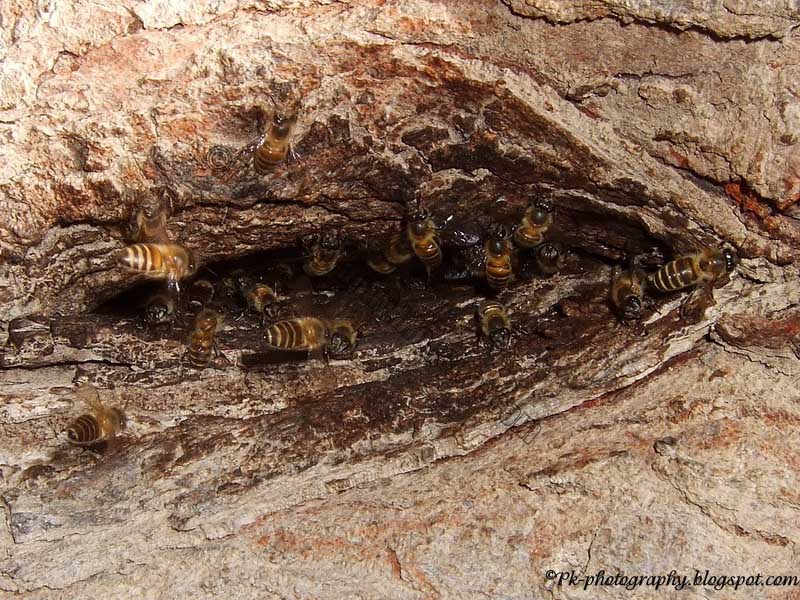
Apis cerana-Asian Honey Bee

Apis cerana, commonly known as the Asian honey bee or the Eastern honey bee is a species of honey bee (Family: Apidae, Subfamily: Apinae) found in southern and southeastern Asia. This species is the sister species of Apis koschevnikovi, and both are in the same subgenus as the Western (European) honey bee, Apis mellifera. There are eight subspecies of A. cerana currently recognized. They are about 10mm long. They prefer to nest in cavities, such as hollowed out tree trunks. They make multiple comb. Their honey yield is smaller, because they form smaller colonies. They are not aggressive, but any attempt to open the nest, will cause bees to fly out and sting the intruder.


Apis cerana - Asian Honey Bee
Apis cerana
Apis cerana on canola
Apis cerana

Babul Tree-Acacia nilotica

Babul Tree (Acacia nilotica) is a species of Acacia native to Africa, the Middle East and the Indian subcontinent. It's a member of fabaceae family. It's known by a number of names including kikar, gum arabic tree Egyptian thorn, thorn mimosa, Sant tree, scented thorn, Al-sant or prickly acacia. It's is a large tree, upto 14 metres high, with thorns on its branches. It has darkish grey bark and yellow flowers in spherical heads.

Babul Tree-Acacia nilotica
Babul Tree Flower

Stone Kitchen

Here you see a Stone Kitchen made by cutting a single big stone. This stone kitchen is located at Rani Ghat an Buddhist archaeological site in district Buner, KPK.

Stone Kitchen
Stone Kitchen
Stone Kitchen

Baya Weaver Nest

Baya Weaver Nest
Baya Weaver Nest
Baya Weaver Nest

Here is a picture of Baya Weaver bird taken from a book.
Baya Weaver Bird
Baya Weaver Bird
Related Posts Plugin for WordPress, Blogger...